
What If Your Personal Injury Case Involves Surveillance Footage?
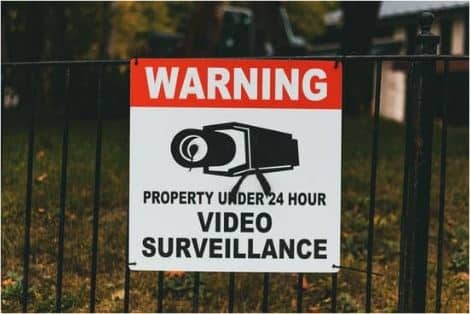
Have you been in a car accident that involved surveillance footage? They say a picture is worth a thousand words—but in a legal claim, video footage can be worth thousands of dollars.
However, video evidence doesn’t mean you automatically win your case. There are legal hurdles you must clear to make that footage work in your favor—and it’s important to remember it could also be used against you. In this blog, our attorneys will walk you through what happens if your personal injury case involves surveillance footage, so you can better prepare your claim.
What Happens If Your Case Involves Video Footage? Footage Supporting the Claimant
Limited Timelines
Most commercial surveillance systems don’t retain footage indefinitely. In fact, many systems automatically overwrite data every month—or even every week. If you wait too long to hire a lawyer, that evidence could be lost forever.
The solution? Your legal team can issue a spoliation letter. This formal legal notice requires the property owner to preserve relevant footage or face potential penalties for destroying evidence. This can apply to traffic cameras, business security systems, or even a witness’s dashcam.
Is the Video Admissible?
To use video in court, you must establish its “chain of custody.” This means showing where the video came from and proving it hasn’t been altered or tampered with. The footage must also clearly relate to the accident or the conditions leading up to it. If the video is blurry or obstructed, its value in court may be limited.
When the Defendant Uses Surveillance Against You
Cameras at the scene aren’t the only ones that matter. In some personal injury cases, the opposing party may conduct their own surveillance to reduce or deny your claim.
Private Investigators
Insurance companies sometimes hire private investigators to monitor claimants, hoping to capture moments that contradict reported injuries. For example, you might be seen carrying heavy groceries—something they could argue is inconsistent with your claim.
Social Media Monitoring
Your social media activity may also be reviewed, including platforms like Facebook, Instagram, and TikTok. Defense attorneys may look for posts showing you being physically active or traveling, attempting to challenge claims of physical or emotional distress.
The Defense’s Goal
The goal of this surveillance is to undermine your credibility. Footage of you appearing to function normally can influence a jury to question your testimony, so it’s important to remain mindful of both in-person and online activity.
Get in Touch with The CP Law Group Today
If you believe your accident was captured on camera—or if you’re concerned about how an insurance company may be monitoring you—we can help. Don’t hesitate to reach out to our team.
Our personal injury attorneys at The CP Law Group have extensive experience navigating the complexities of surveillance and digital evidence.
For a free, no-obligation consultation, call us at 844-546-4878 or connect with us on social media @TheCPLawGroup.